

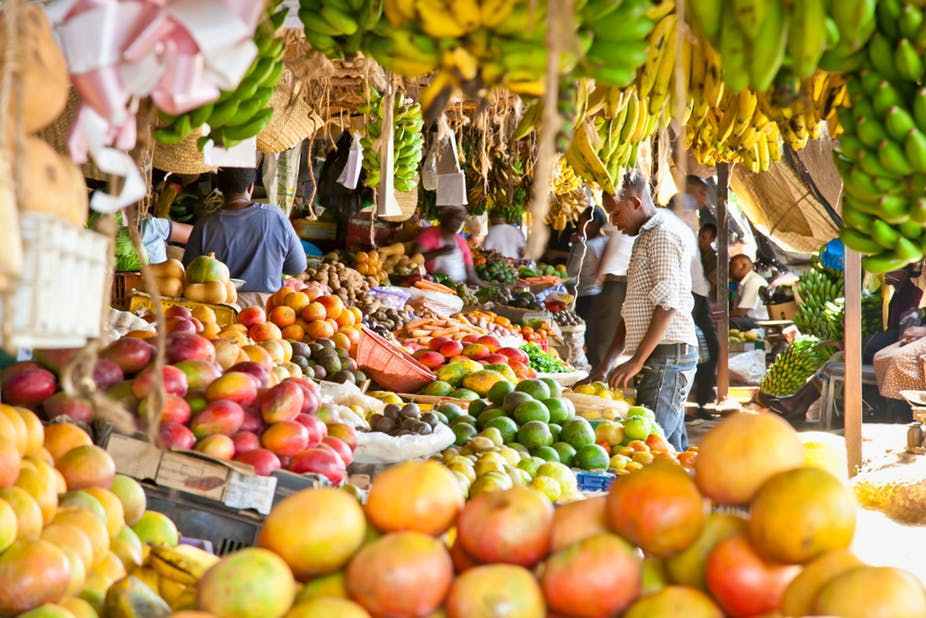

The Chairman of the Civil Liberties Organisation, Akwa Ibom State, Frankylin Isong, on Tuesday, blamed the high cost of food in the state on the deplorable condition of the Calabar-Itu Road.
Isong said the road had worsened to such an extent that travellers now spend more than six hours for a journey that ordinarily ought to be one hour.
The CLO chairman, in a statement in Uyo, called on President Muhammadu Buhari to fix the road by mobilising the contractor to site.
He said, “The condition of the road has since worsened and motorists and vehicles break down on a daily basis. Transport fares on the road have quadrupled and travelling on the road has become a nightmare.
“Prices of agricultural produce in Akwa Ibom and Cross River states have skyrocketed on account of the deplorable nature of this very important road.”
Isong lamented that the road, a major highway linking the state with other states, had been neglected by the Federal Government, leading to some portions being eaten up by deep gullies.
He stated, “The Ikot-Ekpene-Itu-Calabar Expressway, which is the only link road between Akwa Ibom and Cross River states, has been left to suffer various stages of degradation. This has culminated in its current deplorable state.
READ MORE: Herdsmen attack police convoy, occupy farmlands in Jigawa
“With various segments of the road eaten up by gully erosion, large chunks of the road now constitute death traps to motorists and commuters, leading to loss of many lives.
“A journey on the road from Uyo to Calabar, which naturally should be accomplished within an hour, now takes up to six or seven hours.
“The cost in terms of man-hours and damage to vehicles is better imagined than experienced. The cost to the economies of Akwa Ibom and Cross River states as well as Nigeria in general is gargantuan.”
Source: Punch